
Quick Interior Design Tips You Can Actually Use
You don't need a full renovation or a redesign to make a room feel better. Sometimes it's the small, repeatable rules that make the biggest difference — the kind of thing designers use without even thinking about it. Here are a few of my favourites.
1. The 3, 5, 7 Rule
Odd numbers just look better grouped together — it's one of those design rules that sounds oddly specific but genuinely works every time.
Groups of 3, 5, or 7 feel more natural and visually interesting than even numbers, which tend to look a bit stiff and matchy.
Try it with:
Cushions — three on a sofa instead of two or four.
Candles or vases — group of three at varying heights on a console table.
Books and objects on a shelf — five items styled together, mixing heights and textures.
Framed prints — an odd-numbered gallery wall feels more curated than an even grid.
The trick isn't just the number, though — it's varying the height, size, and shape within the group. Three identical candles in a row is still a bit flat. Three candles of different heights, styled with a small stack of books, is where it starts to feel intentional.
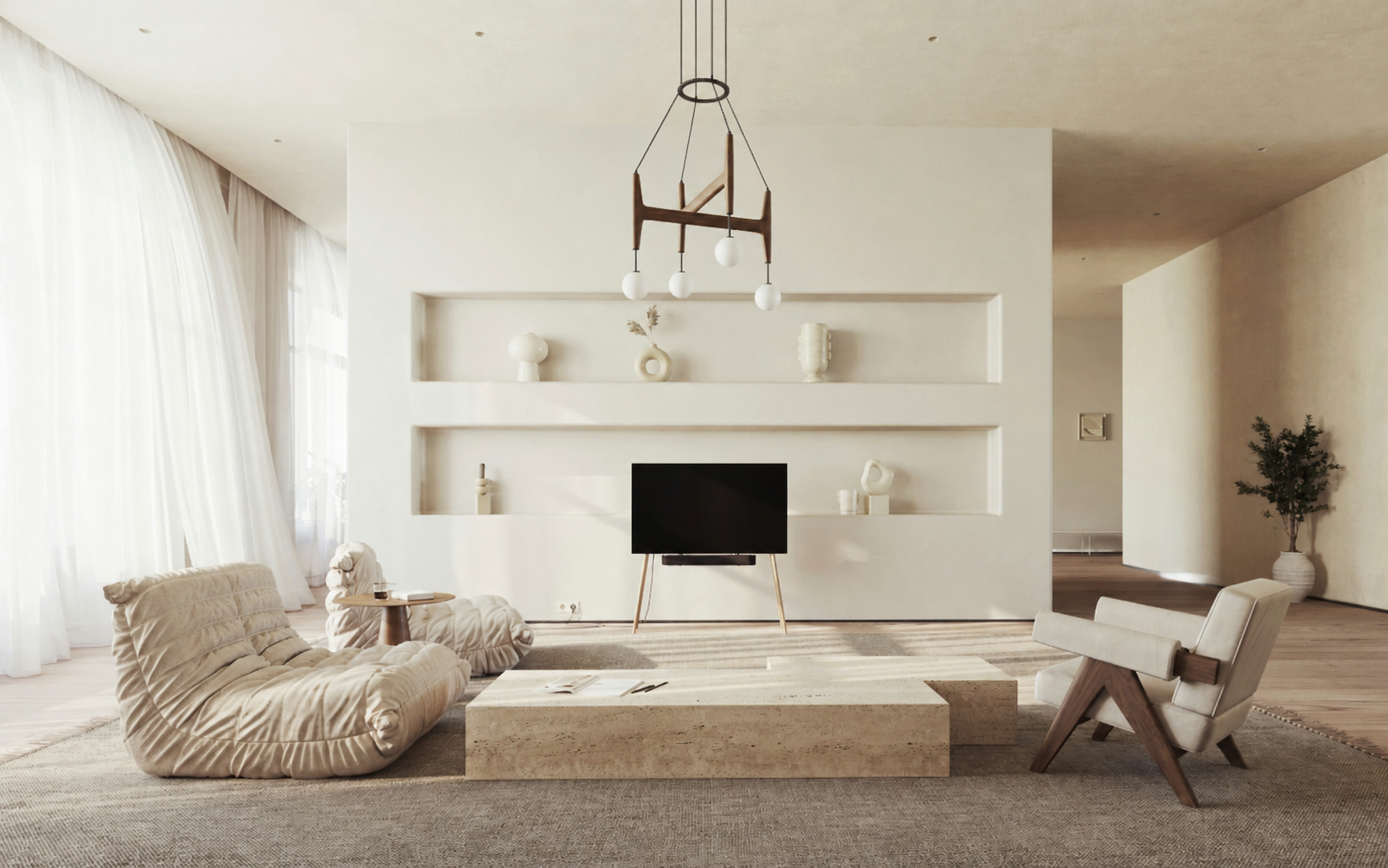
2. Layer Your Lighting
One overhead light does a room no favours. Aim for at least three light sources in any room you spend real time in — a mix of overhead, a floor or table lamp, and something softer like a wall light or candles. It instantly makes a space feel warmer and more considered, even if nothing else changes.
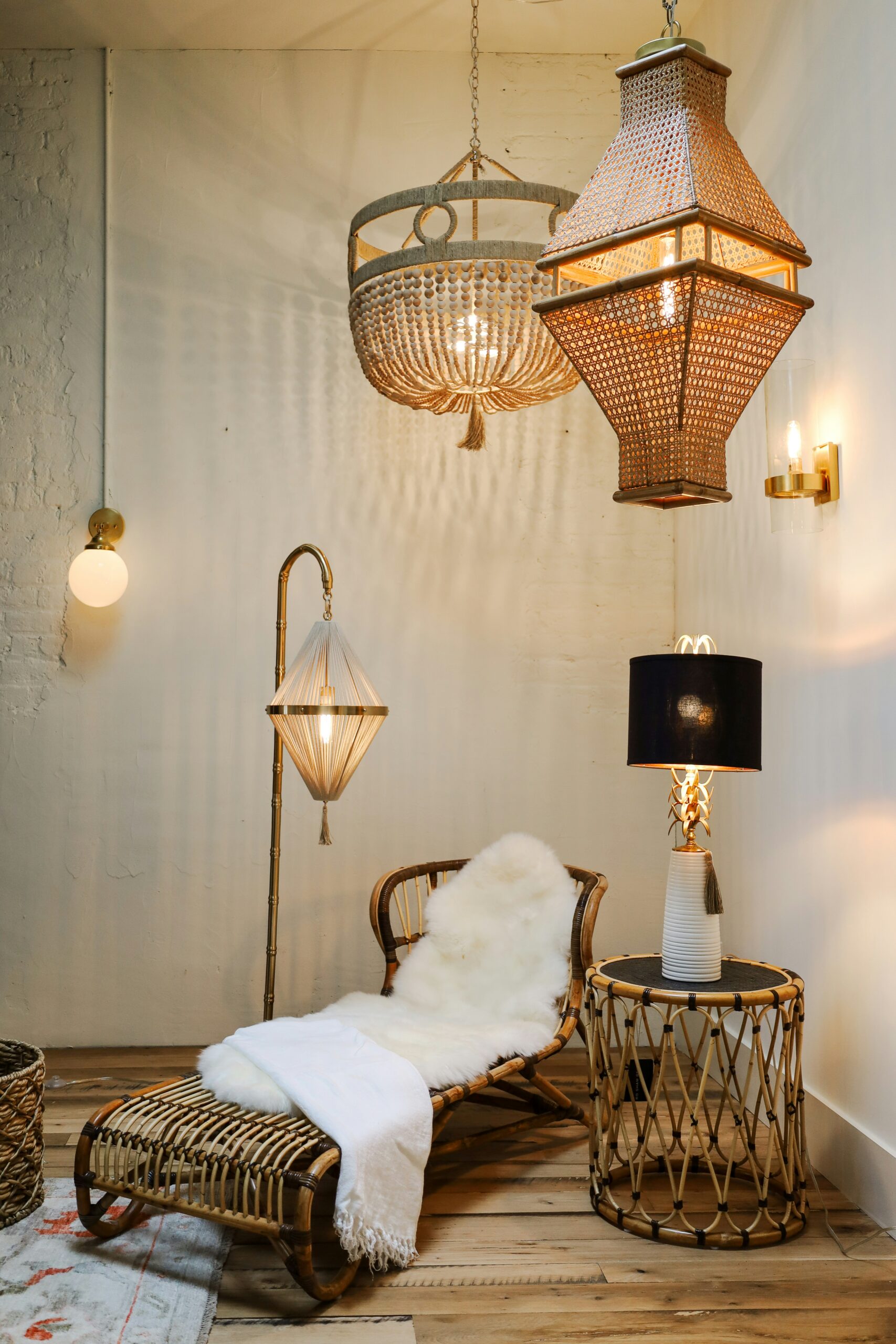
3. Leave the Corners Alone (Sometimes)
There's a temptation to fill every corner of a room. But empty space isn't wasted space — a bit of breathing room lets the pieces you do have stand out, rather than competing for attention. If a room feels cluttered even though it's not messy, this is often why.
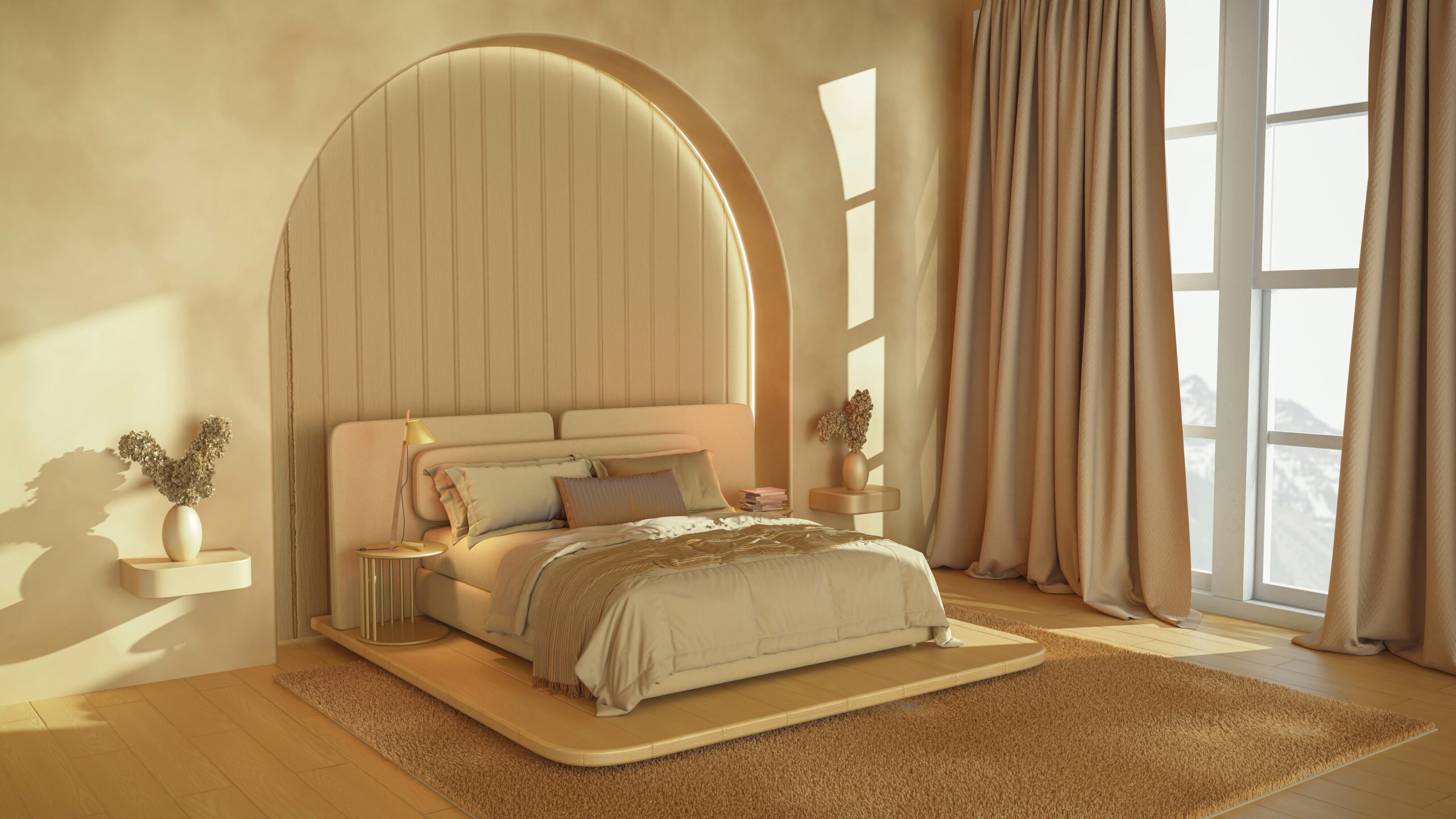
4. Bring the Outside In
A bit of greenery — even one decent-sized plant — does more for a room than people expect. It softens hard edges, adds a bit of life, and works with almost any style or colour palette.
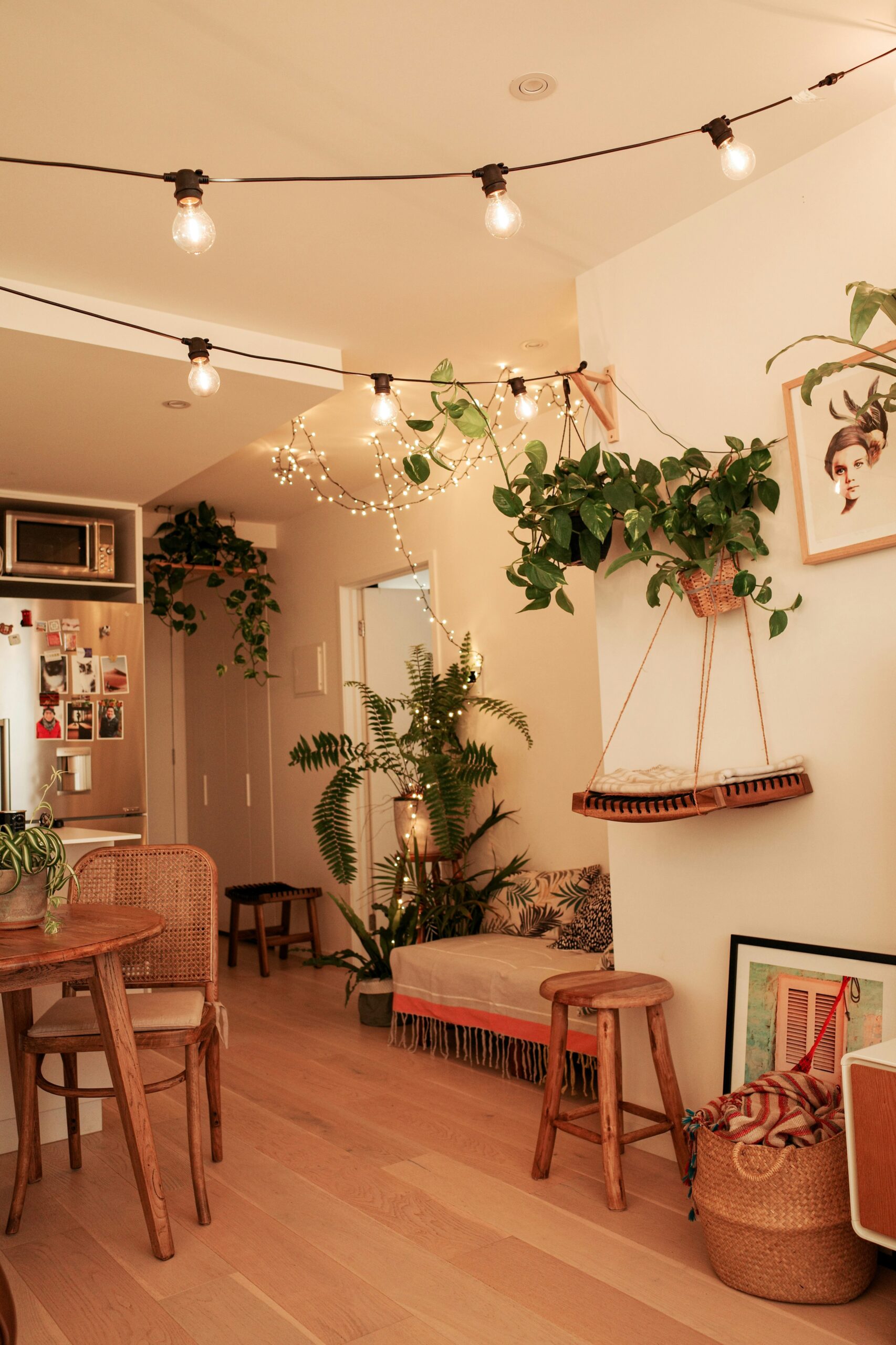
5. Repeat a Colour at Least Three Times
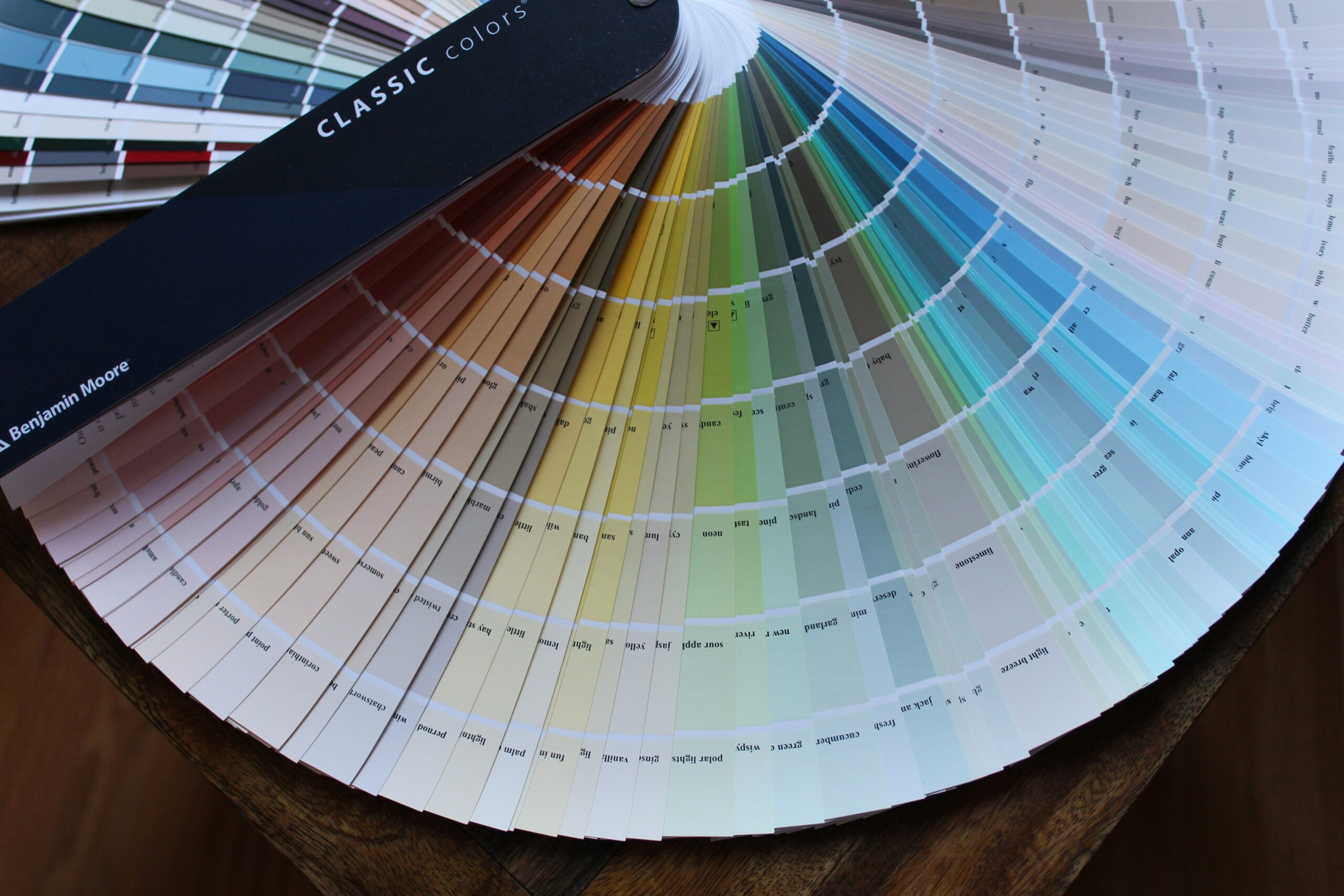
If you're bringing in a new colour, don't let it live in just one spot. Repeat it at least three times around the room — a cushion, a piece of art, a vase — so your eye moves naturally around the space instead of landing on one lonely pop of colour and stopping there.
None of these need a big budget or a big change — just a bit of intention with what you've already got. Small tweaks like these are often the difference between a room that feels "fine" and one that actually feels finished.